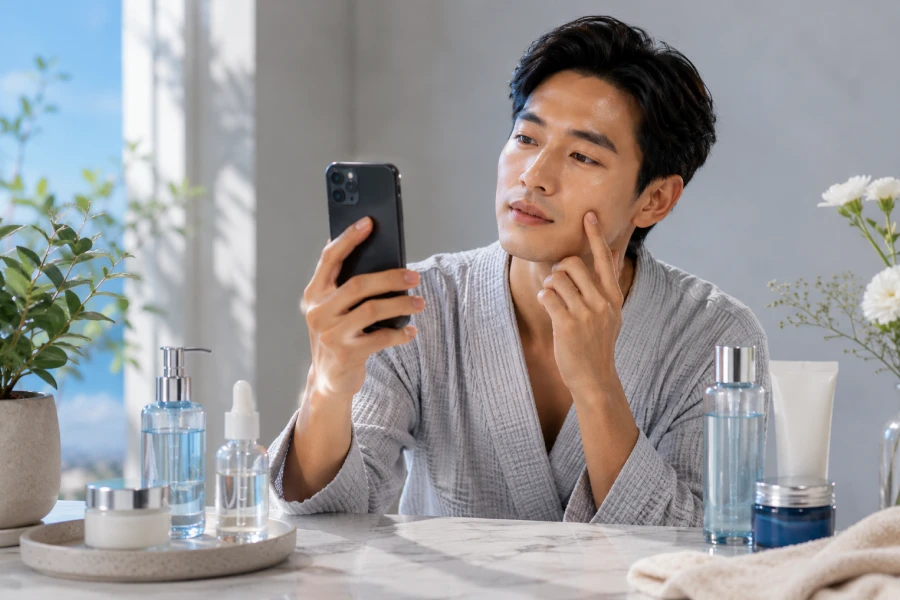
Photo-based skincare support depends on the quality of the photo. AI skin analysis tools become more useful when lighting, angle, and timing stay consistent. A bright window can show texture better than harsh overhead bulbs. A clean lens matters more than most people expect. Bare skin gives the tool a clearer starting point. Similar framing helps you compare changes over time. A dependable digital skin assessment starts with repeatable conditions. Without those conditions, results can look more dramatic than they are. The photo should inform your routine, not frighten you. Honest images create more helpful recommendations. Consistency turns a photo into evidence. It also reduces false alarms from shadows. The image should serve the routine, not dominate it.
Preparation makes the snapshot easier to interpret. Remove makeup if you want to evaluate skin itself. Wait after cleansing so redness from rubbing can settle. Keep hair away from the face. Avoid filters, smoothing modes, and heavy backlighting. Take the photo at a similar time of day. Note whether you slept poorly or changed products. These details help explain what the image shows. They also reduce overreaction to temporary changes. Good preparation makes the tool more practical. Clean preparation makes every comparison fairer. It also respects the limits of camera-based judgment. The best snapshot is simple and repeatable.
Images can become clues when paired with routine records. These photo-based tools may highlight texture, dryness, redness, oiliness, or uneven tone. Those observations become stronger when matched with product timing. A new exfoliant may explain sudden sensitivity. A skipped moisturizer may explain roughness. Weather can influence shine or tightness. A smart product matching approach uses these clues without treating them as absolute truth. The result becomes a conversation starter. You can ask better questions about your routine. Better questions often lead to better edits. Images need context before they become useful. Routine notes supply that missing story. Together, they turn observation into smarter action.
Limits matter because skin is complex. A tool cannot diagnose every concern from a single image. It may misread shadows, facial hair, glare, or camera distortion. It cannot know how your skin feels. It cannot replace medical advice when symptoms are persistent or painful. Treat results as guidance rather than final judgment. Look for patterns across several checks. Combine the output with comfort and tolerance. This balance keeps technology useful. It also protects you from unnecessary worry. Healthy skepticism protects the user. It also keeps the tool from sounding more certain than it is. Skin deserves nuance that one photo cannot provide.
Timing improves when analysis becomes routine rather than random. These photo-based tools can show whether a change deserves more time. They can also remind you that improvement may be gradual. Compare photos weekly instead of several times a day. Use the same light and the same distance. Track product introductions one at a time. A clear skincare planning tool makes those comparisons easier to understand. It supports patience during the adjustment period. It also discourages constant product swapping. Better timing gives skin a fair chance. Patience makes analysis less stressful. It also gives products enough time to perform. A steady schedule creates cleaner evidence.
The healthiest use of analysis avoids chasing flawlessness. These photo-based tools should help you care for your skin, not criticize every pore. Texture, pores, and occasional unevenness are normal. The goal is comfort, consistency, and informed choices. Celebrate signs of stability as much as visible brightness. Reduce checking when it increases anxiety. Use results to simplify rather than complicate. A good tool should make decisions easier. It should not make your face feel like a project. Confidence grows when information stays balanced. A balanced mindset changes the whole experience. It keeps normal skin from becoming a flaw. Information should support confidence, not perfectionism.
A healthy analysis habit needs emotional boundaries. Decide how often you will check. Avoid scanning your face whenever anxiety rises. Use photos for patterns, not punishment. Pair every image with comfort notes. Remember that texture and pores are normal. Ask whether the information changes a practical step. Ignore details that do not require action. This keeps technology in its proper place. The tool supports care without taking over confidence. The best outcome is practical awareness. You understand changes without chasing every detail. That makes the tool genuinely helpful. That boundary makes analysis feel supportive. It keeps the focus on useful action. The result is calmer skincare planning. Confidence stays part of care.



Leave a comment